VR Workplaces

An exploration of what spatial computing could be when designed for how humans naturally navigate 3D envionments.

Type

Mixed Reality Experience

Timeline

6 months

My role

Experience Designer

Team

2 Designers, 3 Product Managers

Challenge

Due to the COVID-19 pandemic response, the corprate world was forced to embrace remote work, and while there were significant benefits to this model, the tools and practices employees had were not optimized for virtual teams and workspaces. Seeing the potential for improvement, our small team of designers and IT product managers was asked to explore how virtual reality and mixed reality technologies could be used to create a better experience for remote work and collaboration and give our recommendation for design directions.

Solution

Since our objective was not to build anything ourselves, and because hardware technology is constantly evolving, we focused our efforts on the human experience. Through iterative rounds of immersive research, concept ideation, and storyboarding, we found that the most compelling opportunities centered on these 2 principles: 1. Use virtual environments to work outside the rules of linear time and the laws of physics 2. Use immersive XR/VR experiences to tap into the spatial and emotional areas of the brain

Key Learnings

It turns out space travel is just as difficult and nuanced as time travel. Even in 2D with laptops, the cognitive load of switching between different virtual environments quietly takes a toll on people's mental and emotional resources, so although teleporting directly from place to place might seem like a great idea, in reality people find it to be quite jarring and draining. And while people love the fact that working from home means they don't have to spend hours commuting every day, they actually do still want some sort of transitional process for context-switching because it gave them more distinct work-life boundaries.

VR Workplaces

An exploration of what spatial computing could be when designed for how humans naturally navigate 3D envionments.

Type

Mixed Reality Experience

Timeline

6 months

My role

Experience Designer

Team

2 Designers, 3 Product Managers

Challenge

Due to the COVID-19 pandemic response, the corprate world was forced to embrace remote work, and while there were significant benefits to this model, the tools and practices employees had were not optimized for virtual teams and workspaces. Seeing the potential for improvement, our small team of designers and IT product managers was asked to explore how virtual reality and mixed reality technologies could be used to create a better experience for remote work and collaboration and give our recommendation for design directions.

Solution

Since our objective was not to build anything ourselves, and because hardware technology is constantly evolving, we focused our efforts on the human experience. Through iterative rounds of immersive research, concept ideation, and storyboarding, we found that the most compelling opportunities centered on these 2 principles: 1. Use virtual environments to work outside the rules of linear time and the laws of physics 2. Use immersive XR/VR experiences to tap into the spatial and emotional areas of the brain

Key Learnings

It turns out space travel is just as difficult and nuanced as time travel. Even in 2D with laptops, the cognitive load of switching between different virtual environments quietly takes a toll on people's mental and emotional resources, so although teleporting directly from place to place might seem like a great idea, in reality people find it to be quite jarring and draining. And while people love the fact that working from home means they don't have to spend hours commuting every day, they actually do still want some sort of transitional process for context-switching because it gave them more distinct work-life boundaries.

VR Workplaces

An exploration of what spatial computing could be when designed for how humans naturally navigate 3D envionments.

Type

Mixed Reality Experience

Timeline

6 months

My role

Experience Designer

Team

2 Designers, 3 Product Managers

Challenge

Due to the COVID-19 pandemic response, the corprate world was forced to embrace remote work, and while there were significant benefits to this model, the tools and practices employees had were not optimized for virtual teams and workspaces. Seeing the potential for improvement, our small team of designers and IT product managers was asked to explore how virtual reality and mixed reality technologies could be used to create a better experience for remote work and collaboration and give our recommendation for design directions.

Solution

Since our objective was not to build anything ourselves, and because hardware technology is constantly evolving, we focused our efforts on the human experience. Through iterative rounds of immersive research, concept ideation, and storyboarding, we found that the most compelling opportunities centered on these 2 principles: 1. Use virtual environments to work outside the rules of linear time and the laws of physics 2. Use immersive XR/VR experiences to tap into the spatial and emotional areas of the brain

Key Learnings

It turns out space travel is just as difficult and nuanced as time travel. Even in 2D with laptops, the cognitive load of switching between different virtual environments quietly takes a toll on people's mental and emotional resources, so although teleporting directly from place to place might seem like a great idea, in reality people find it to be quite jarring and draining. And while people love the fact that working from home means they don't have to spend hours commuting every day, they actually do still want some sort of transitional process for context-switching because it gave them more distinct work-life boundaries.

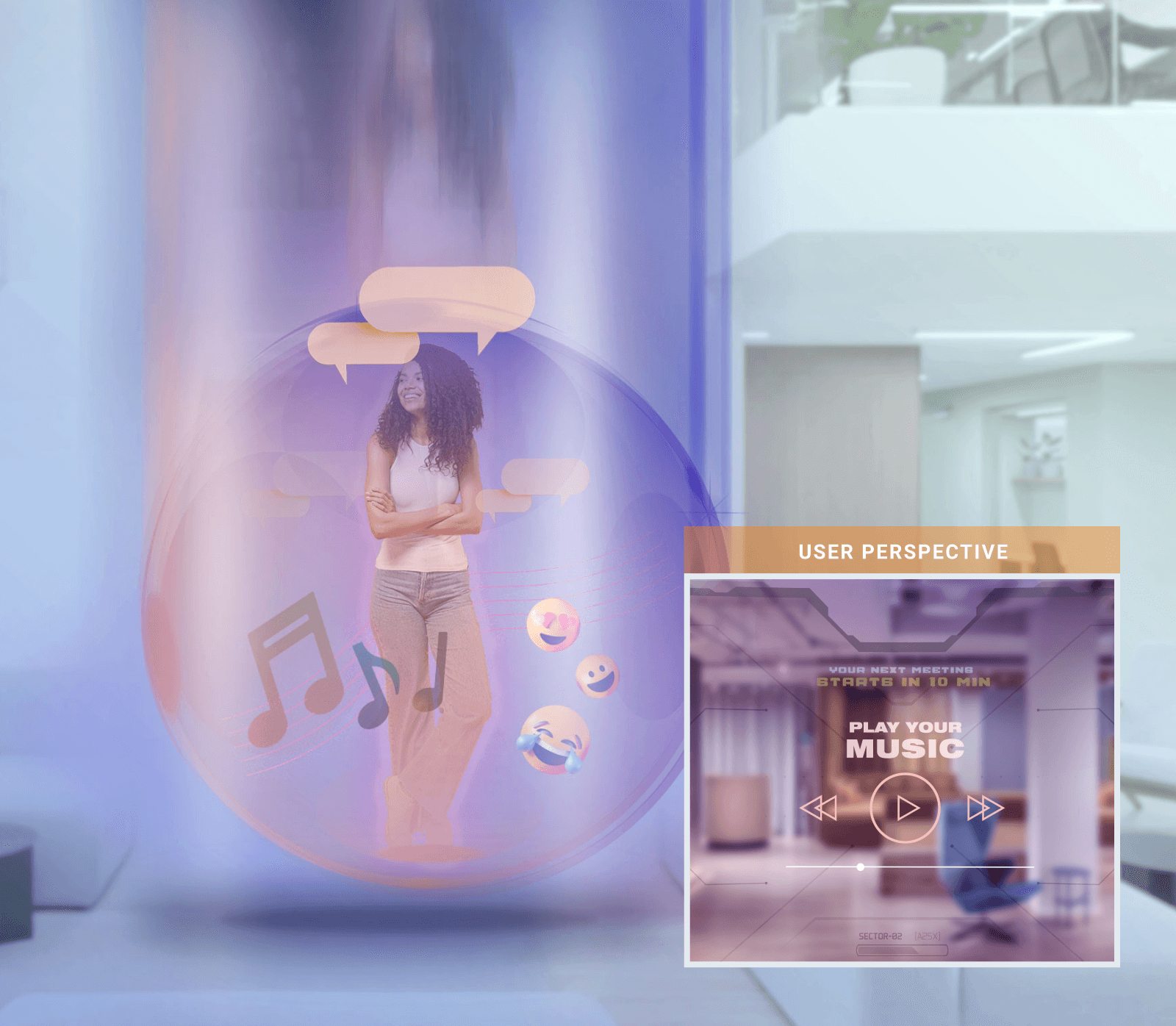
This project started as an exploration of how VR could improve the remote employee experience…

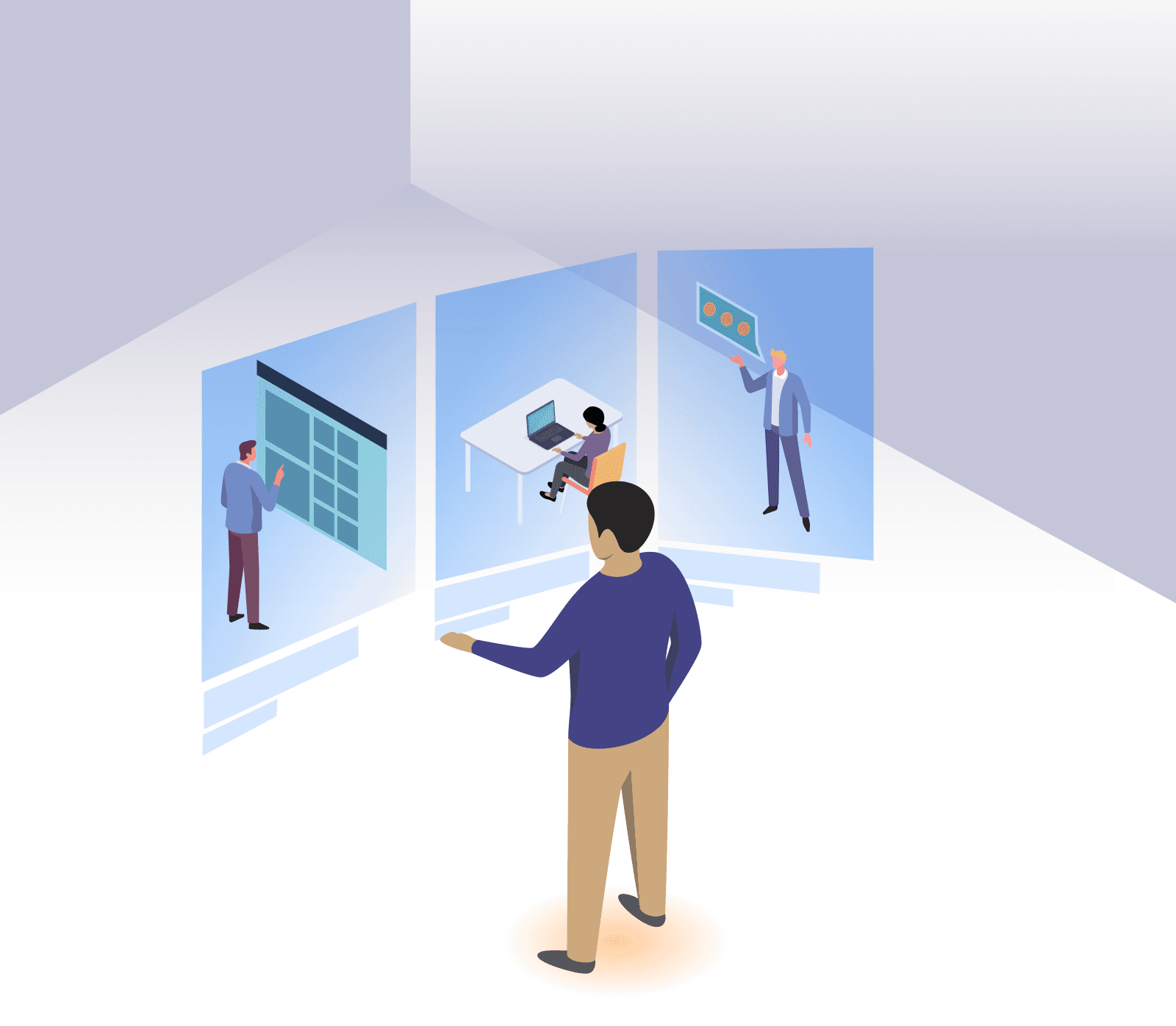
remote Onboarding & orientation

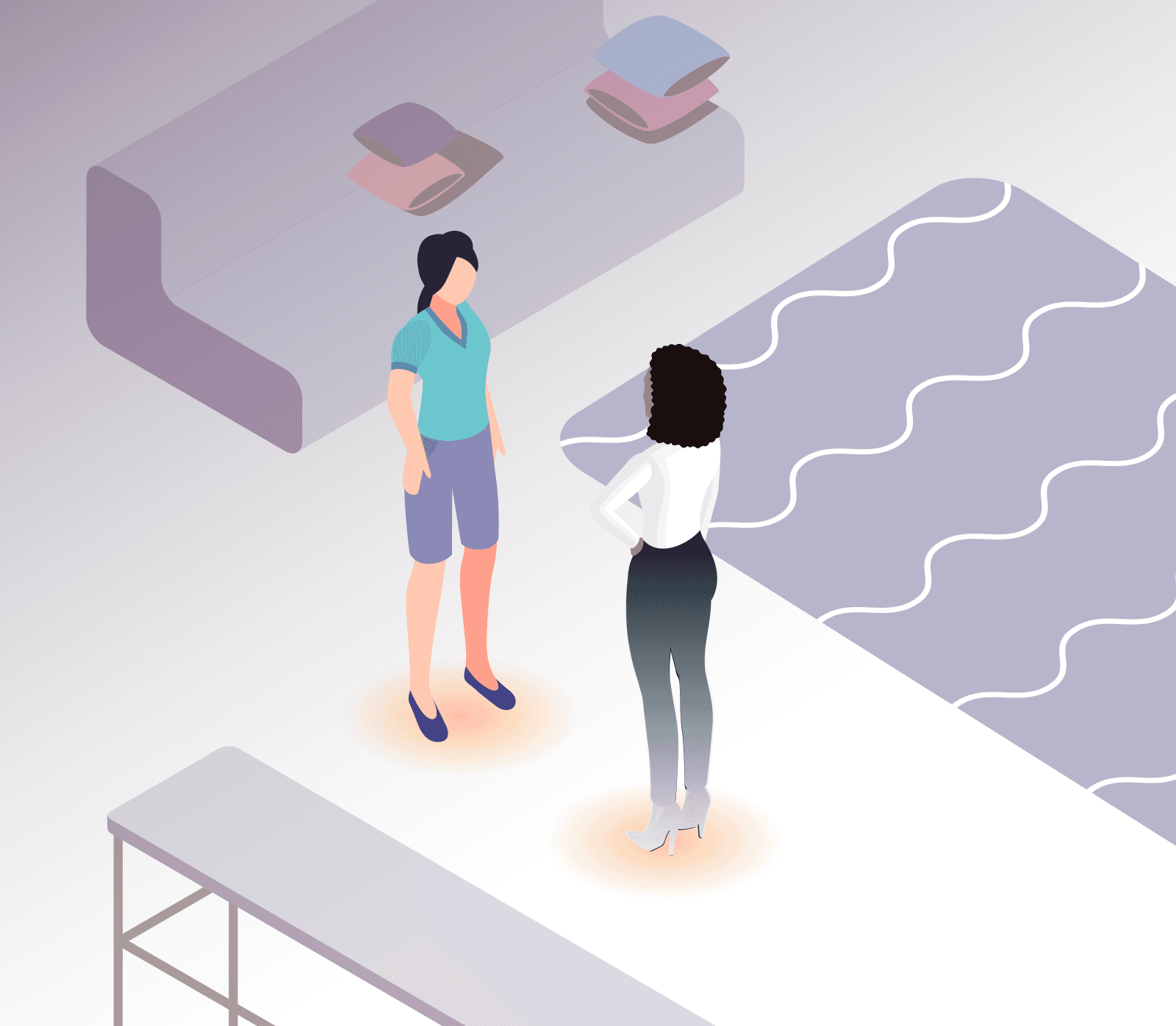
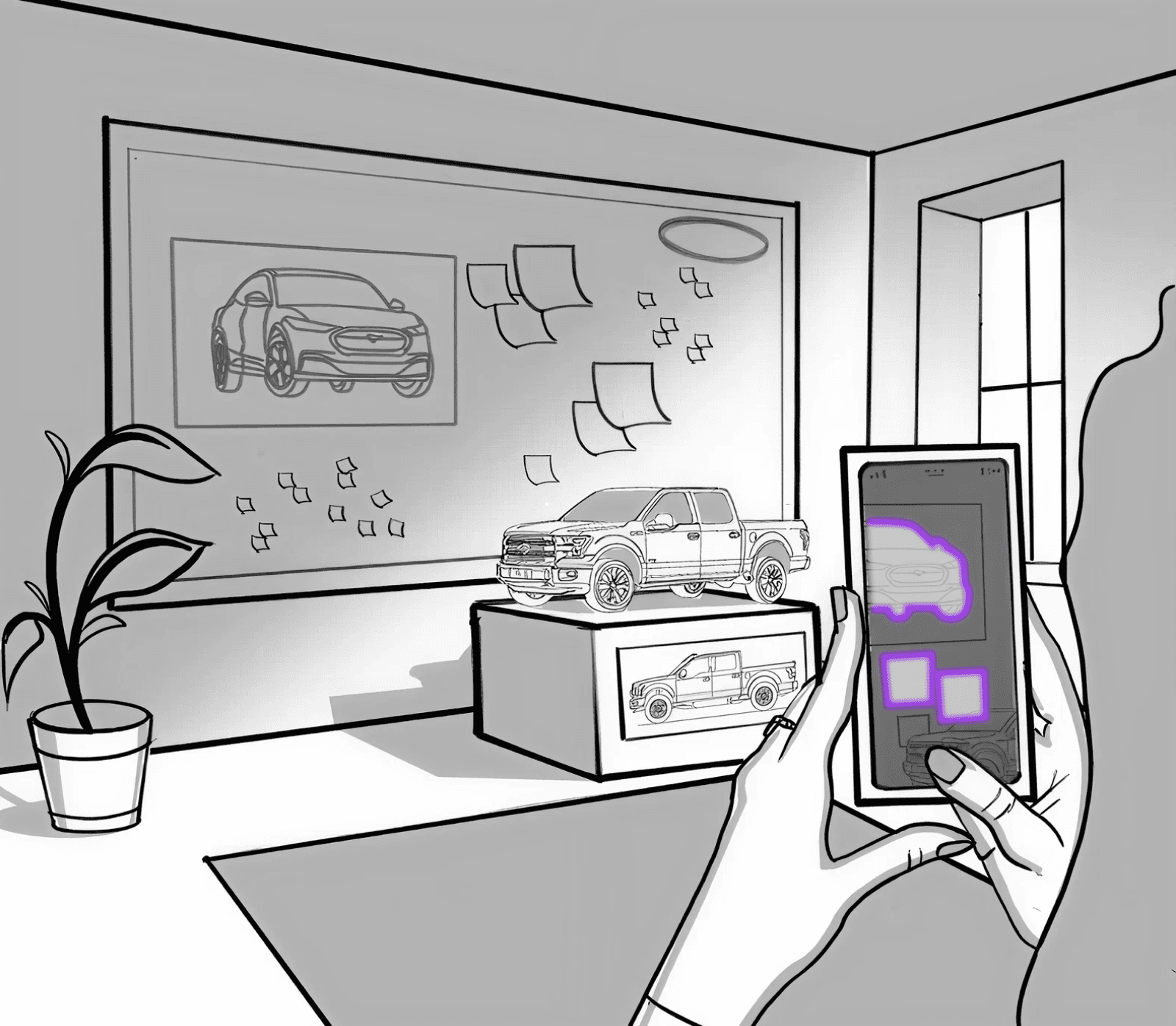
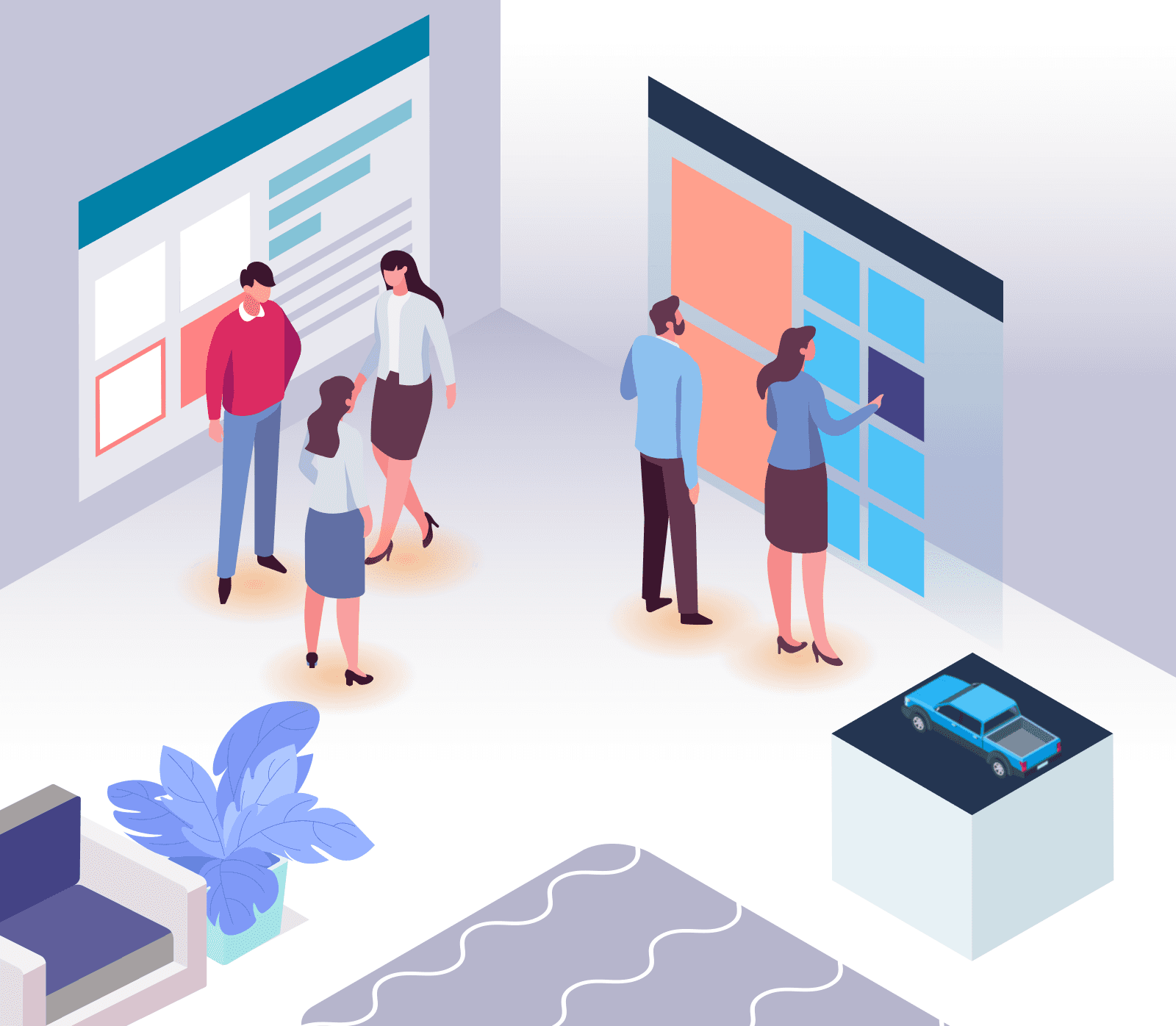
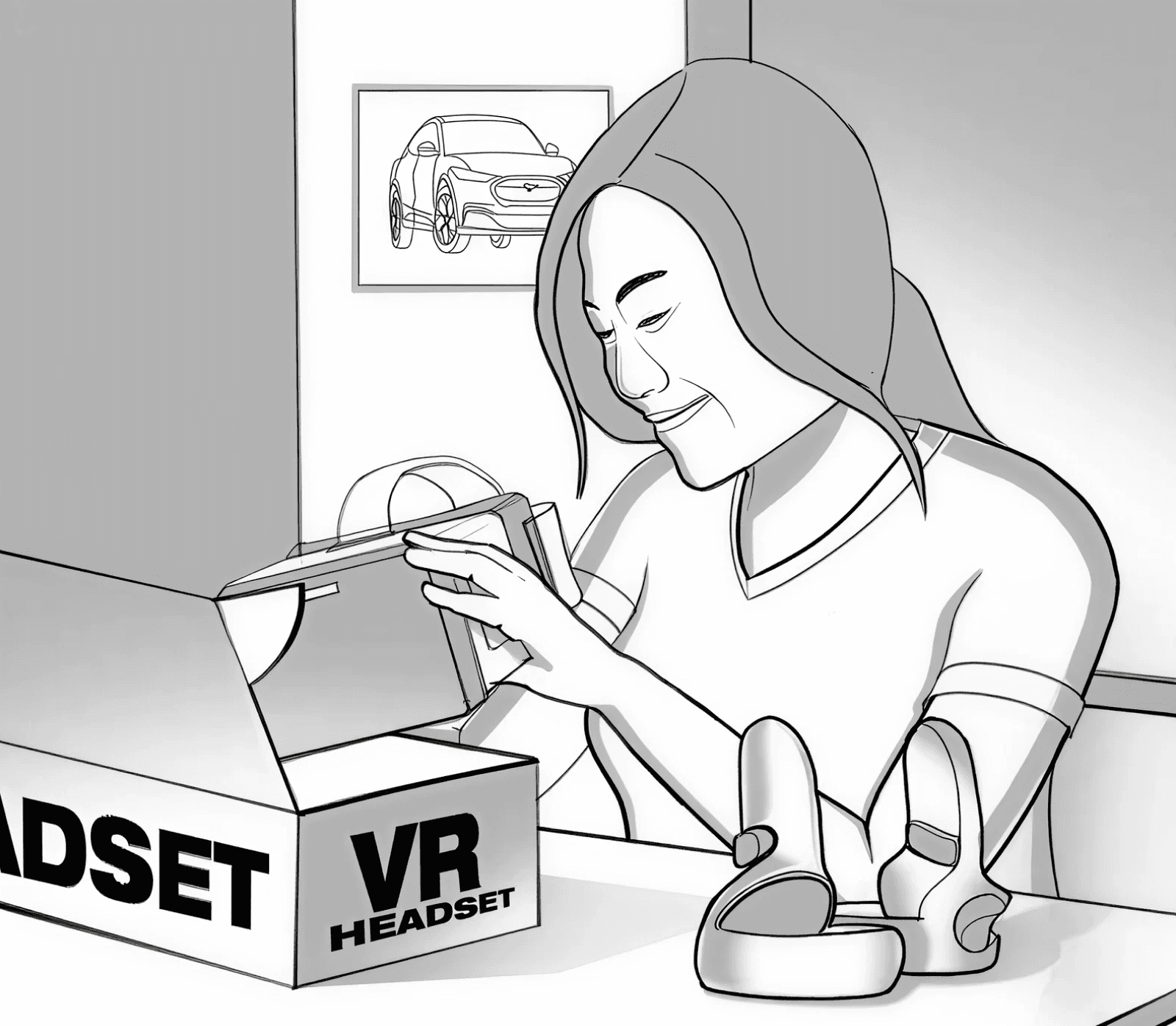
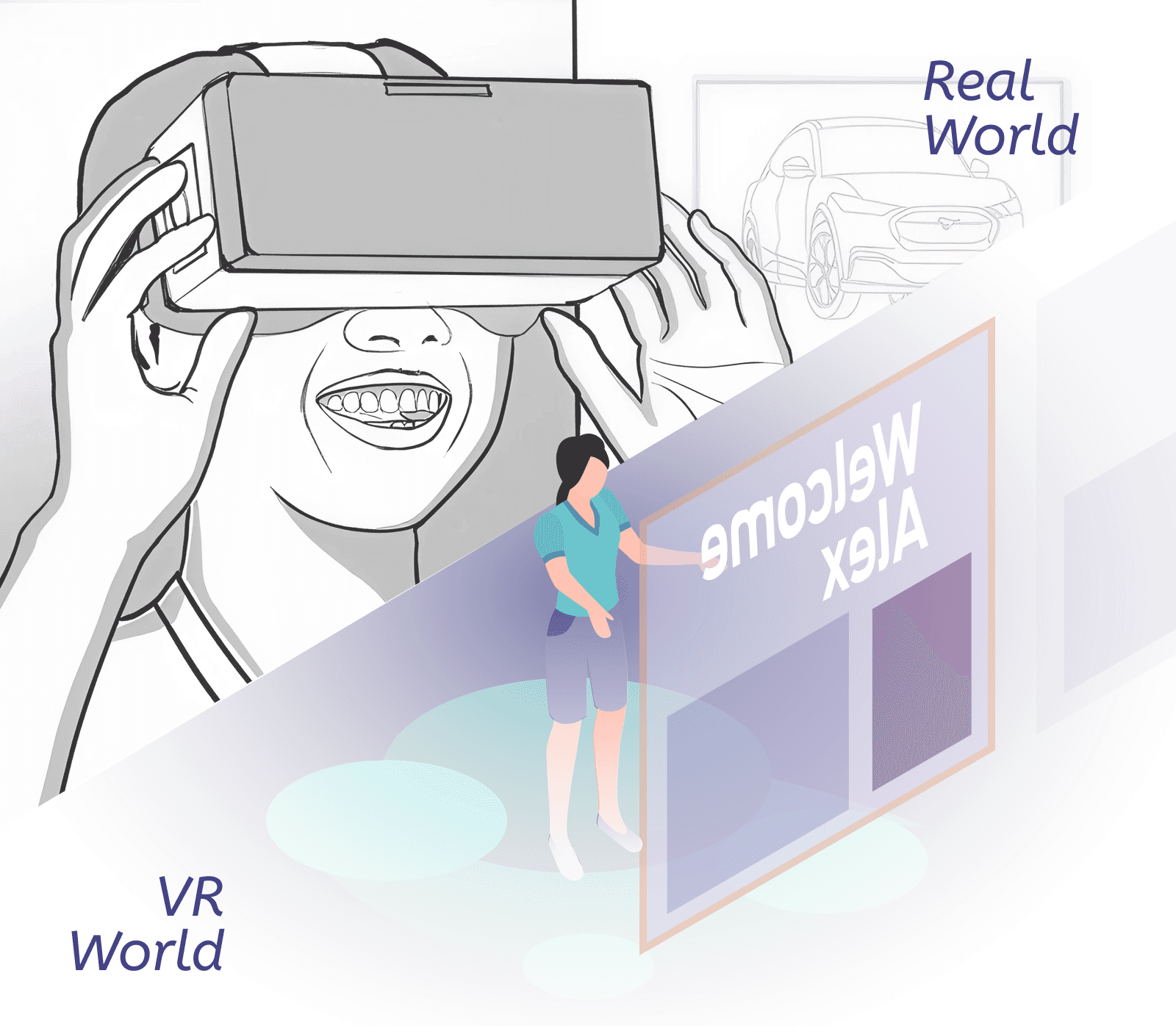
Use VR environments and digital twins to help new hires get oriented in a way that feels personal and contextual without needing to be in-office.
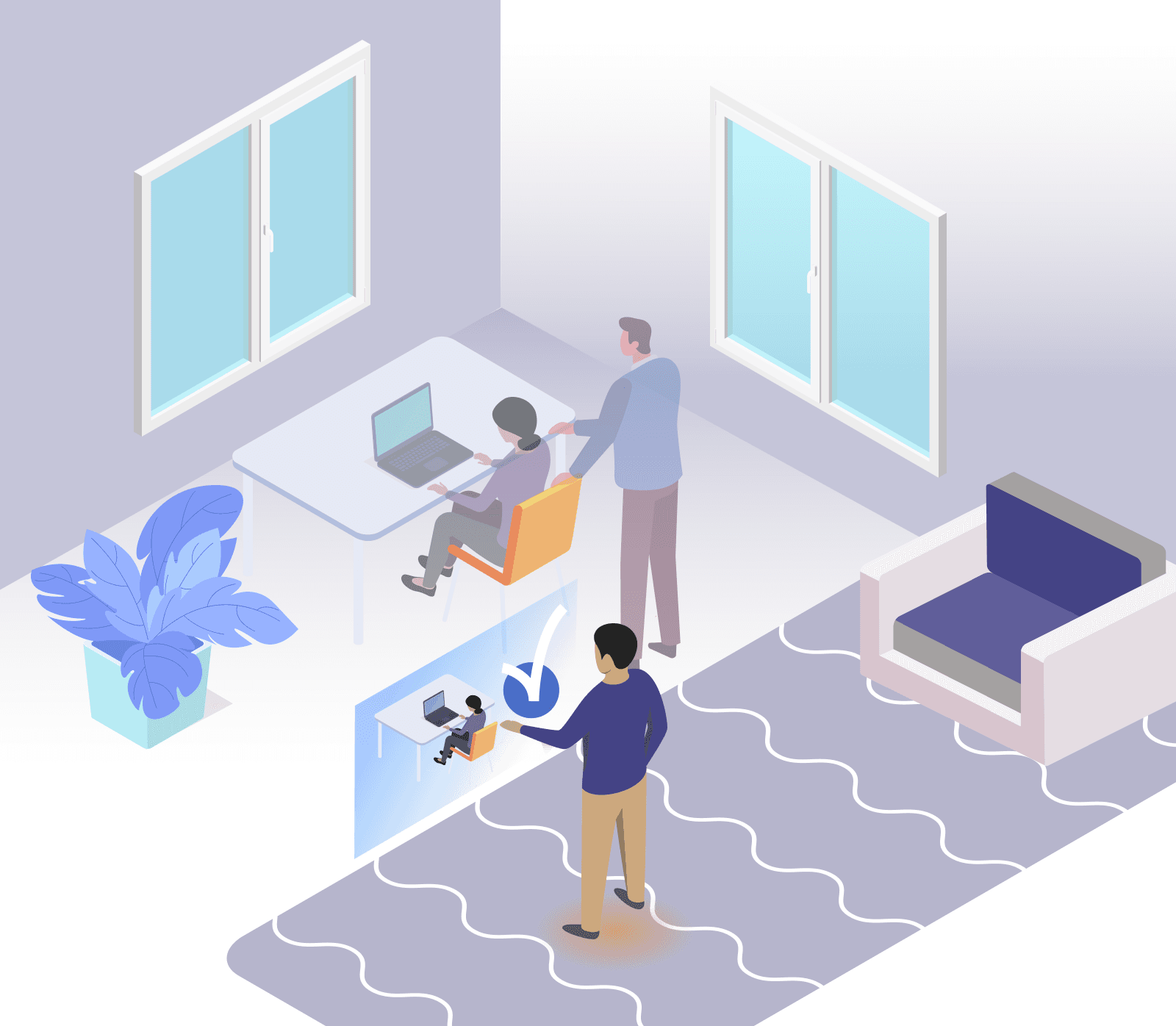
immersive employee Training/testing

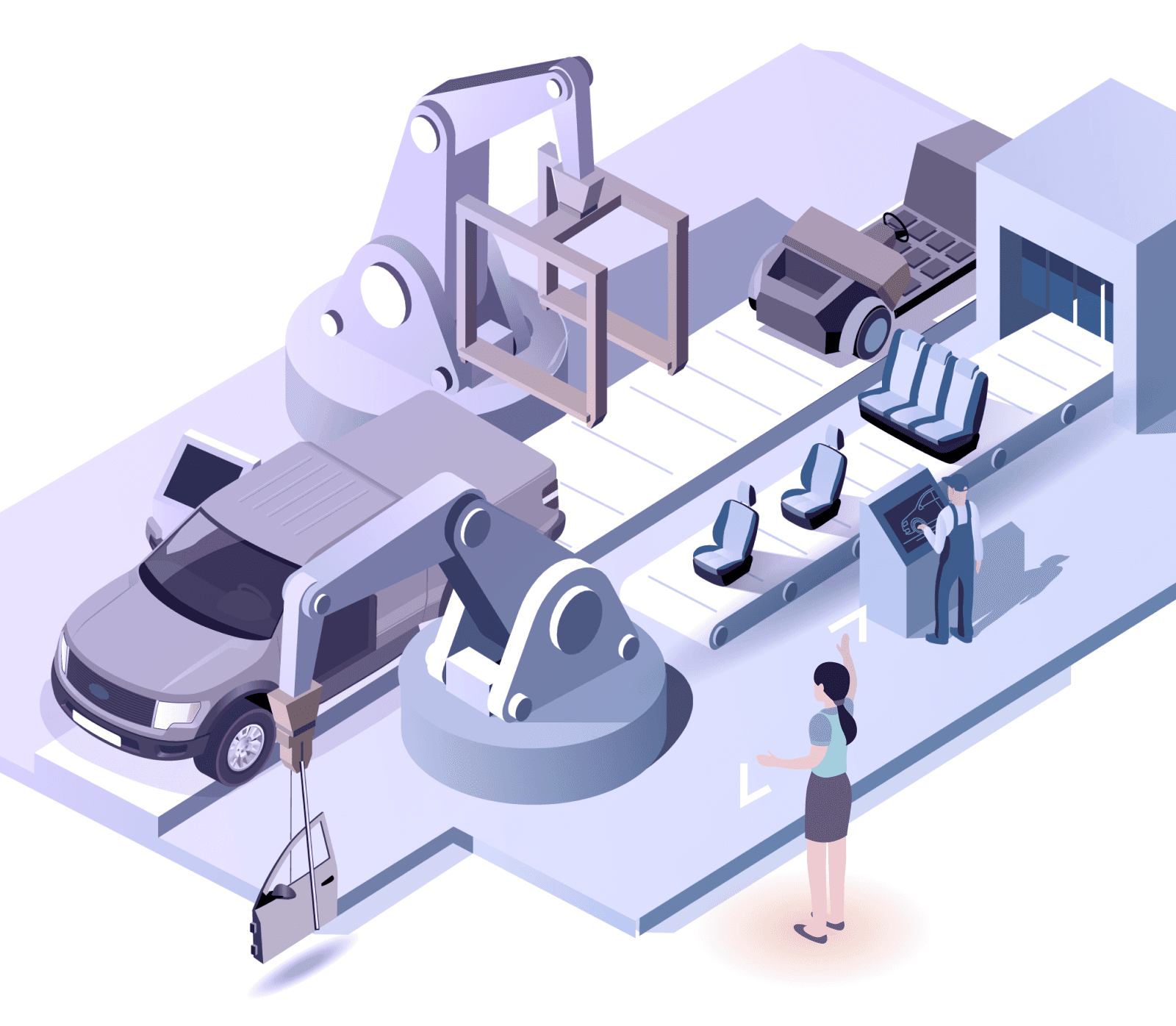
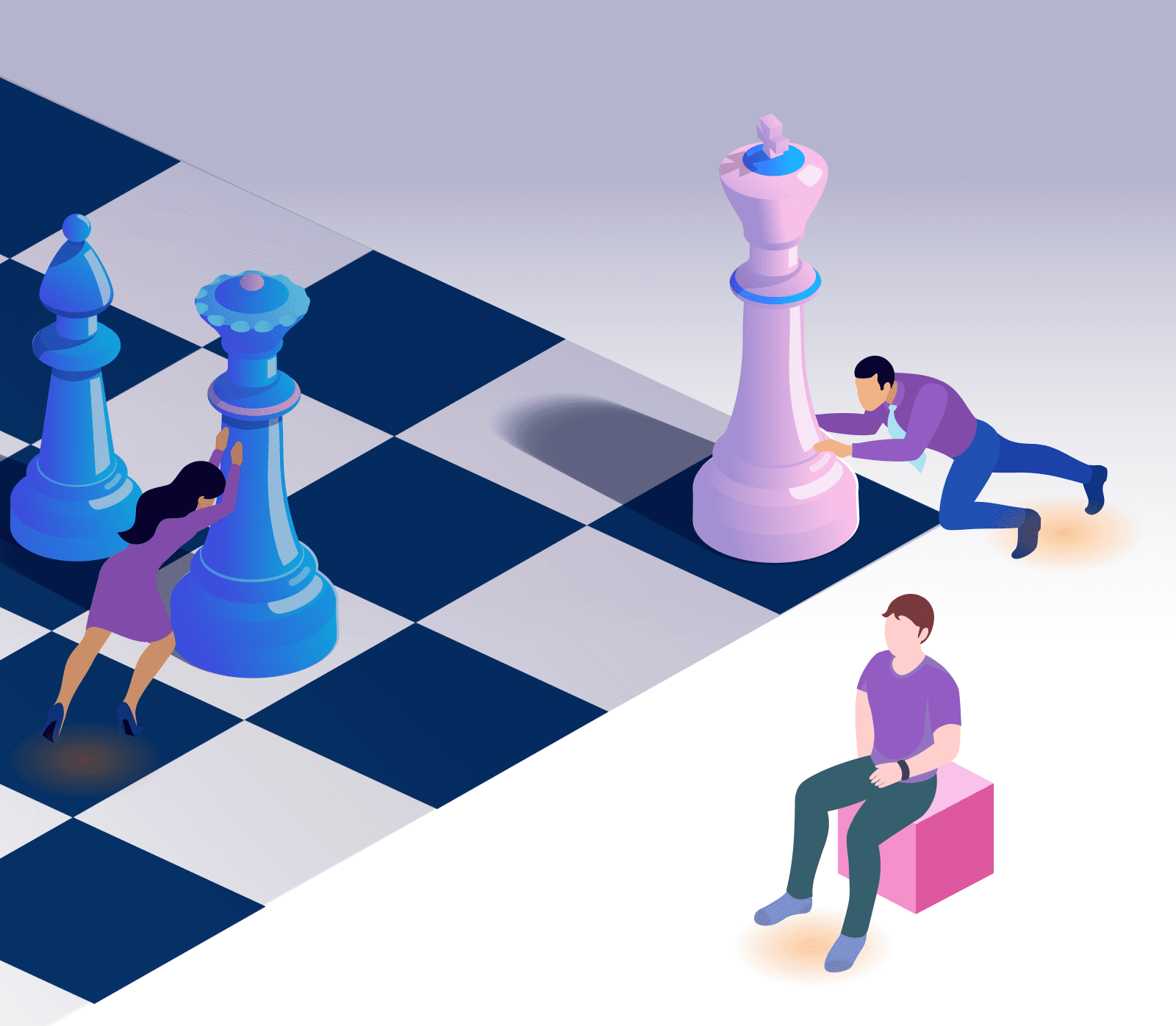
Use XR/VR to create immersive scenarios for employee training and testing with empathy-building exercises, POV experiences, and role-playing practice.
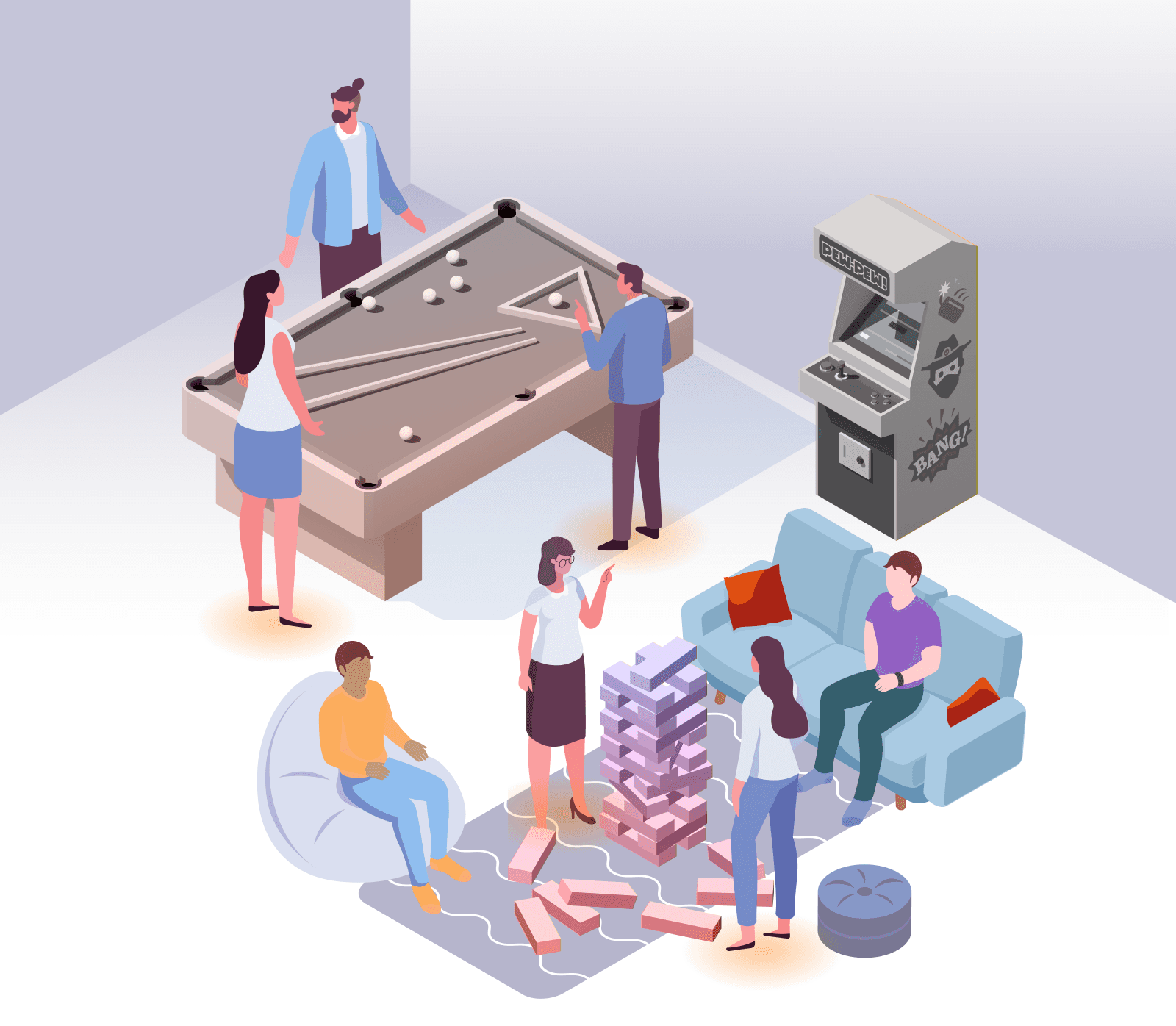
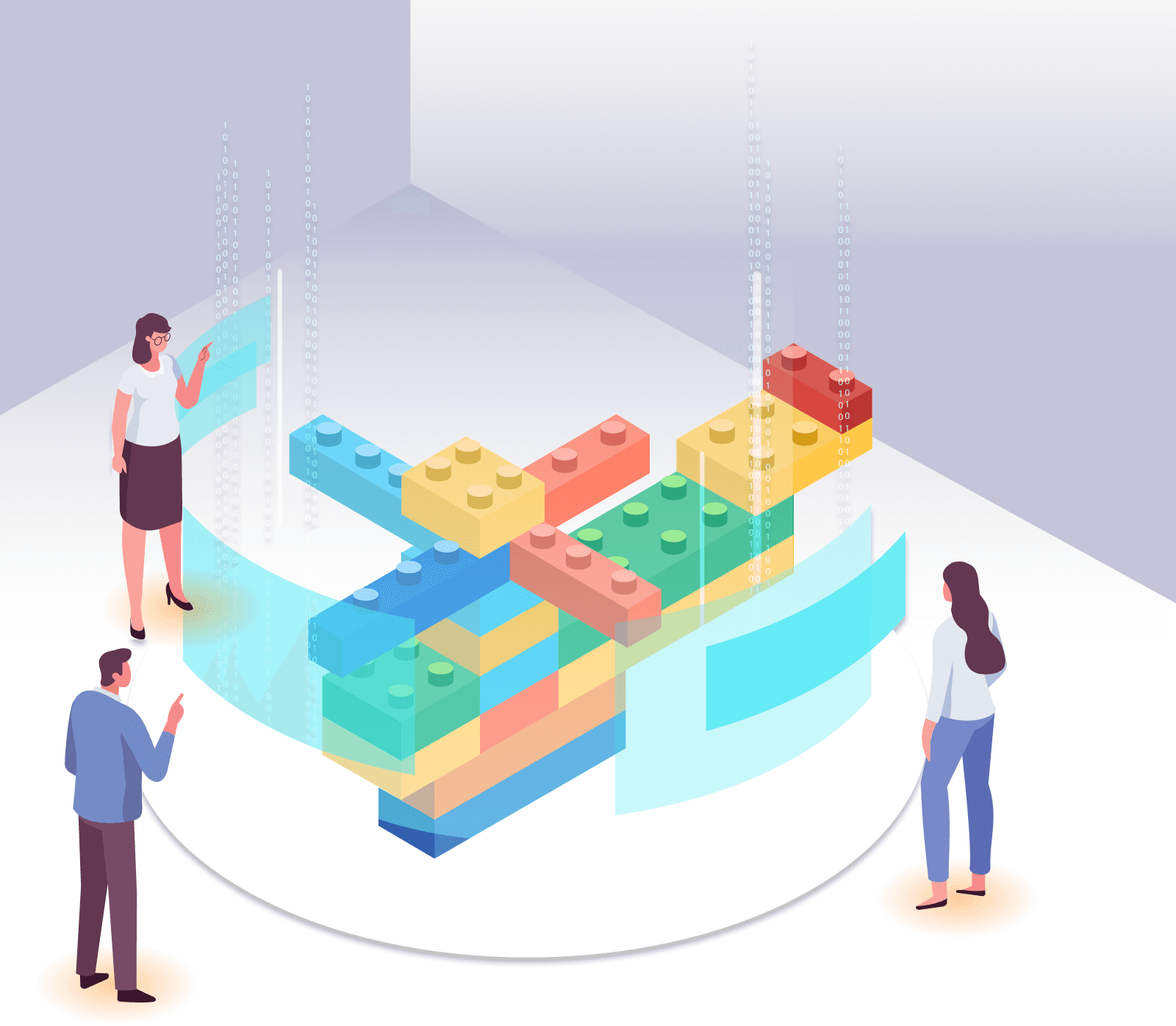
Team bonding outside the box

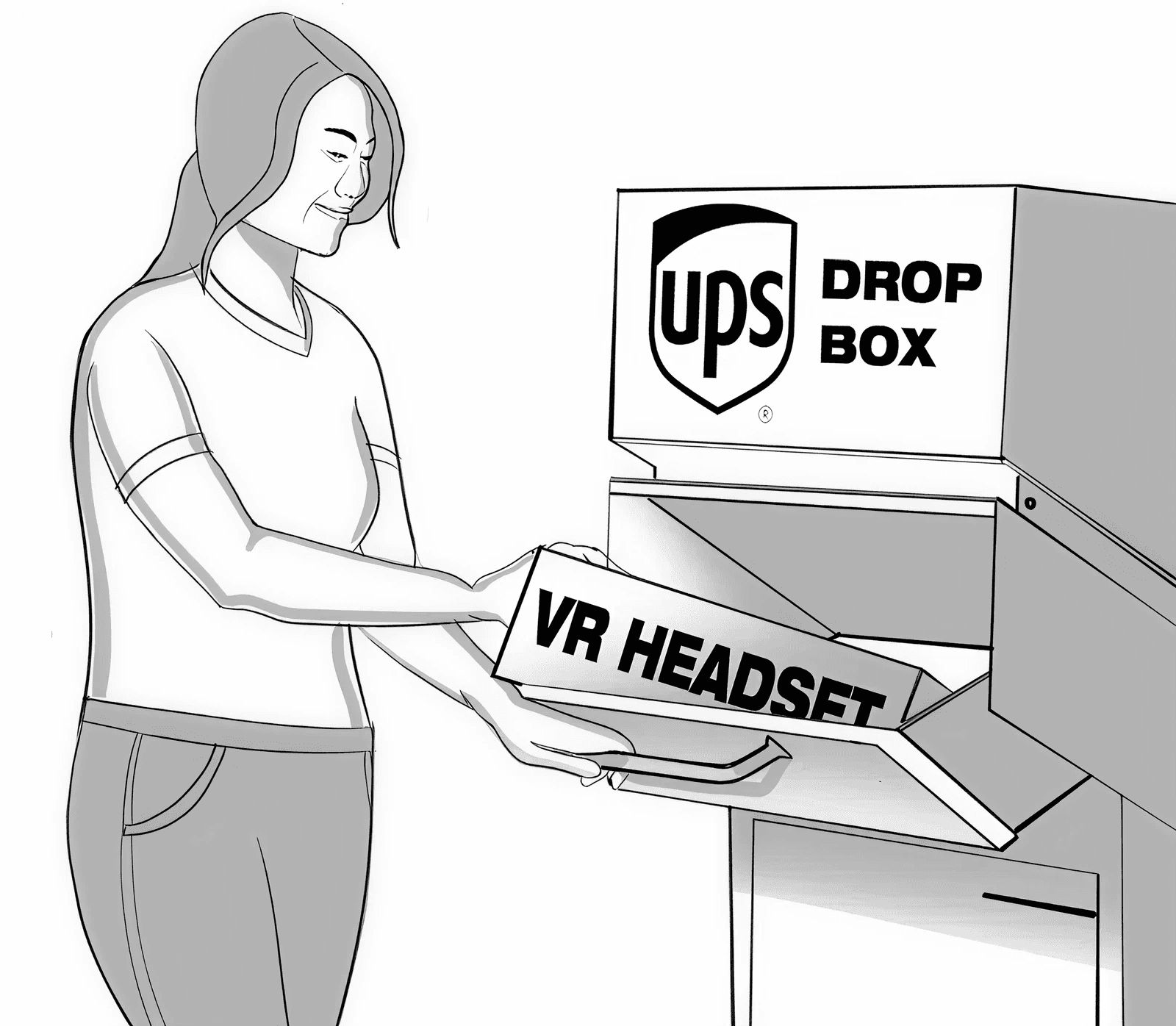
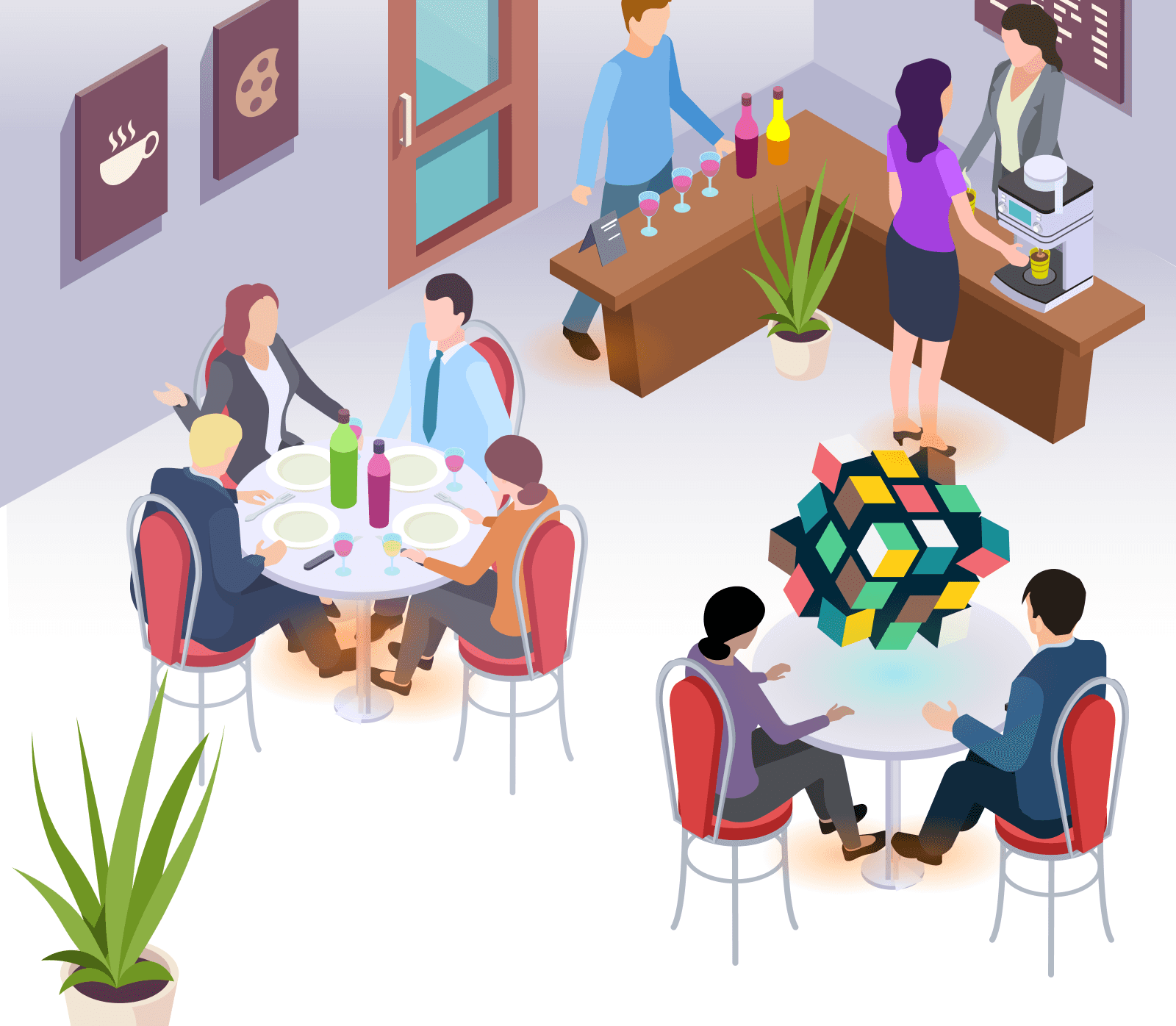
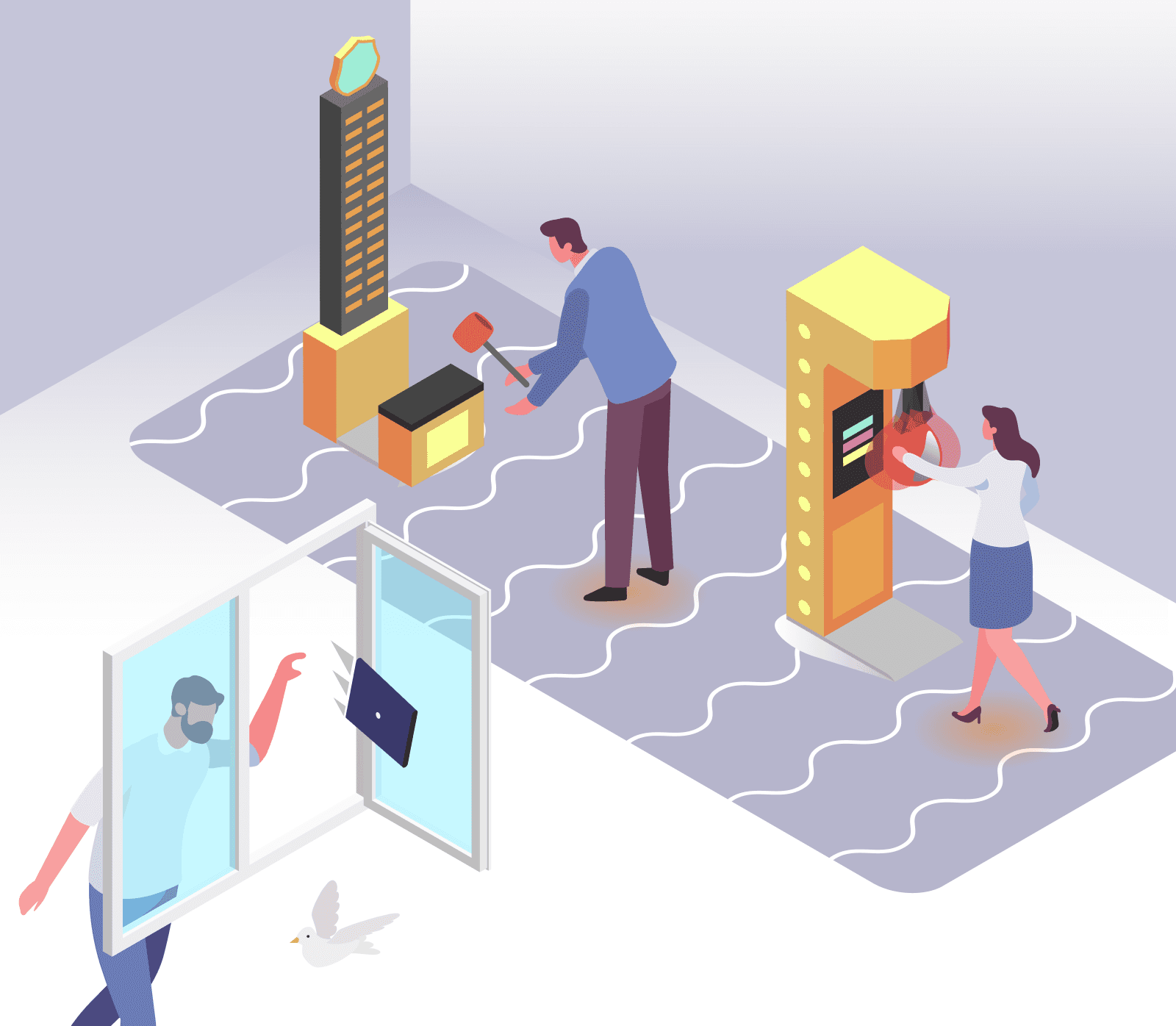
Use XR/VR to facilitate interpersonal interactions between people online and IRL for team bonding, and leverage novel environments, tools, and materials for icebreakers and ideation sessions.
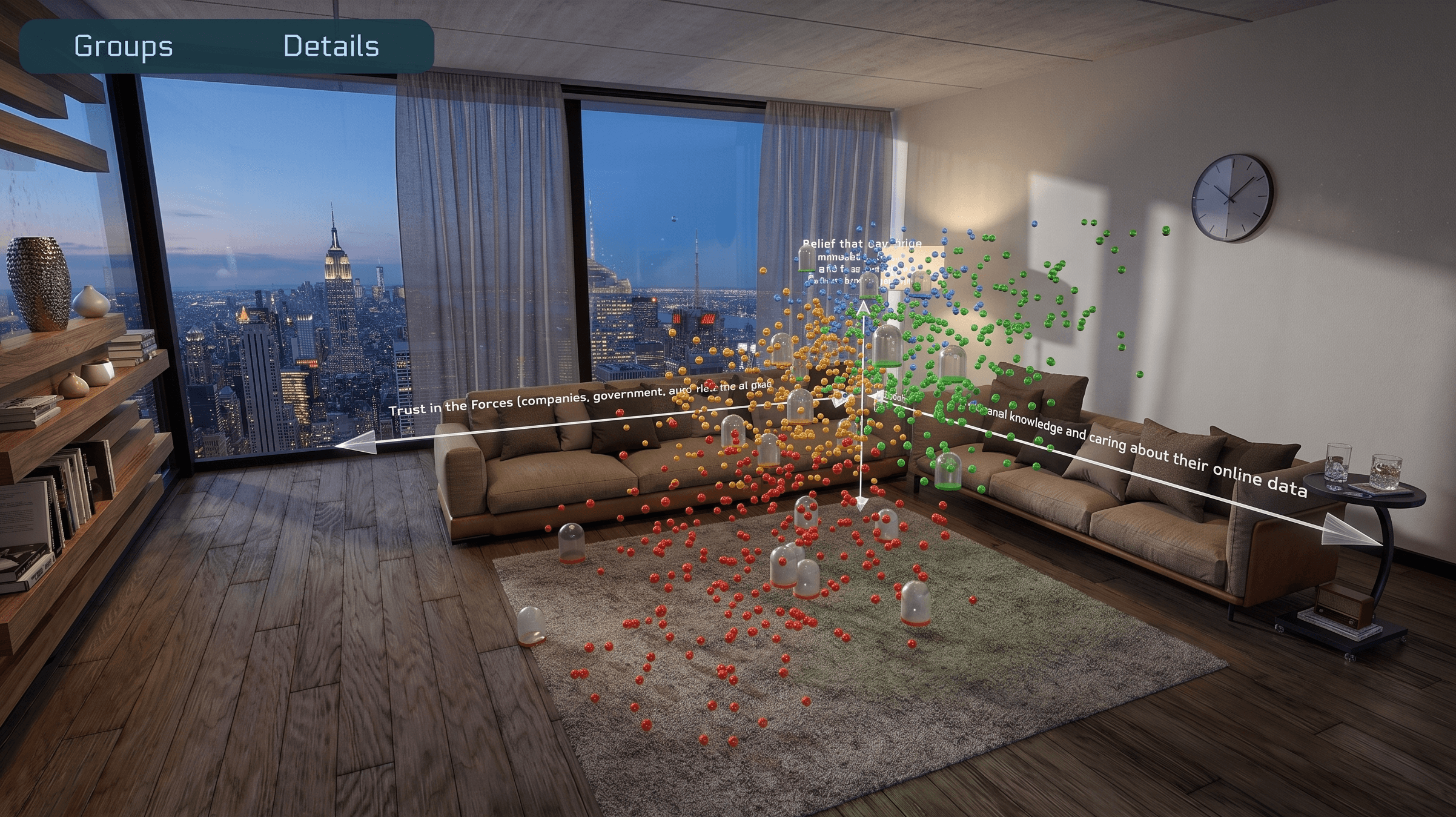
But the more interesting question that surfaced was more fundamental:

What should spatial computing actually feel like?

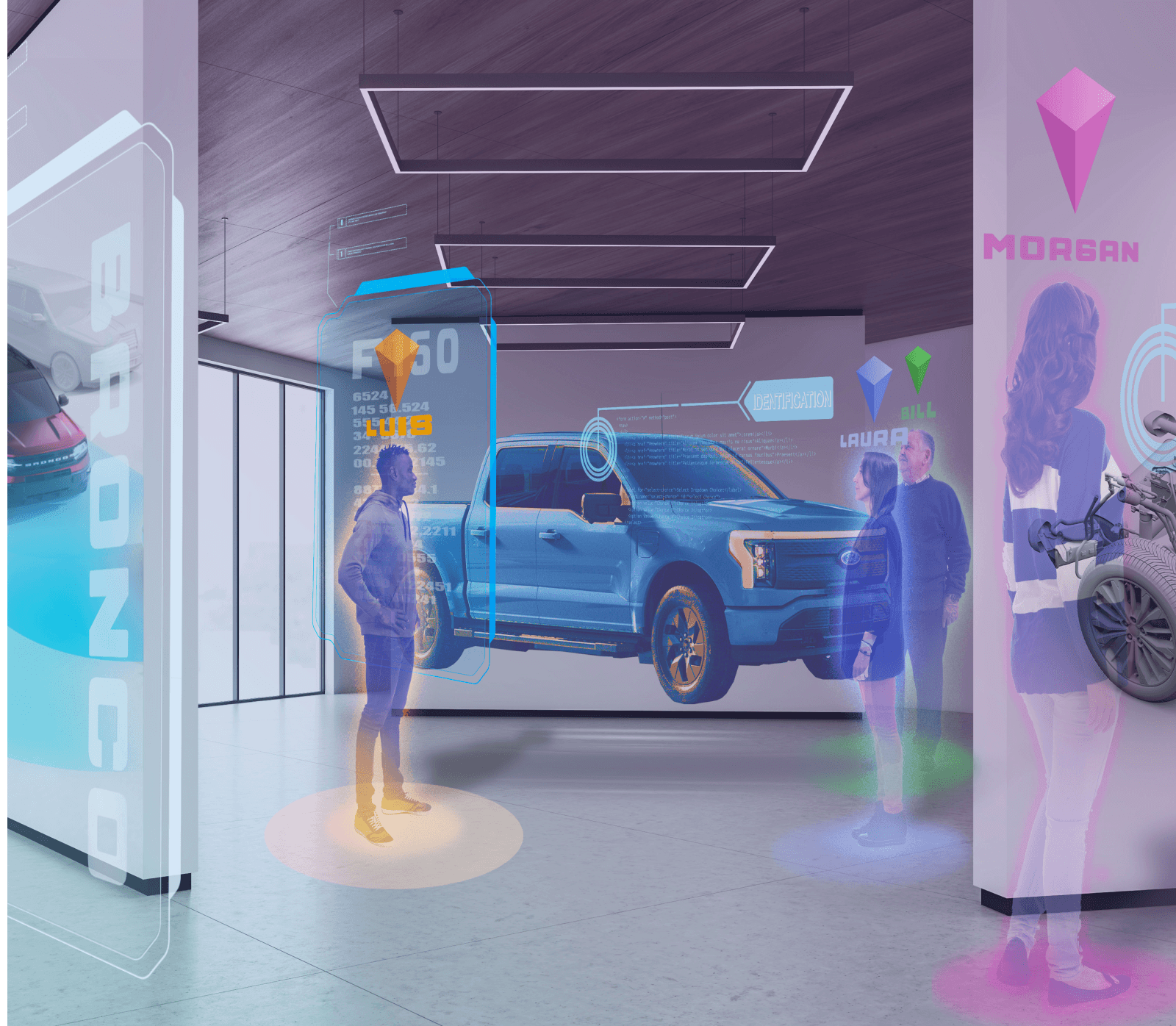
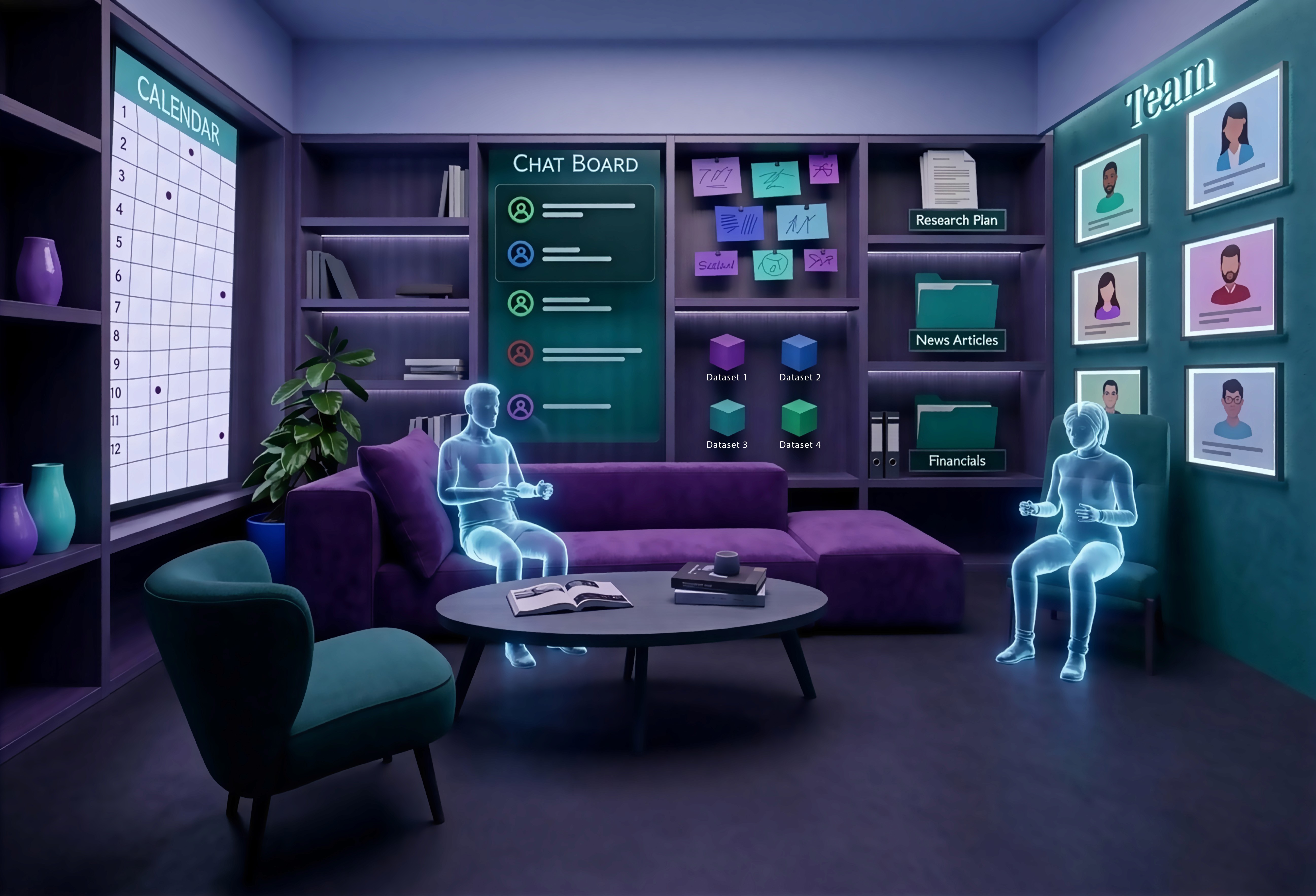
Most mixed/virtual reality workspaces aren't designed as immersive environments—they just default recreating 2D UI elements floating 3D space.

Even in more recent years, "new" technology releases like Apple's Vision OS repeat the same paradigms and fail to take advantage of the affordances and potential of these new interfaces.

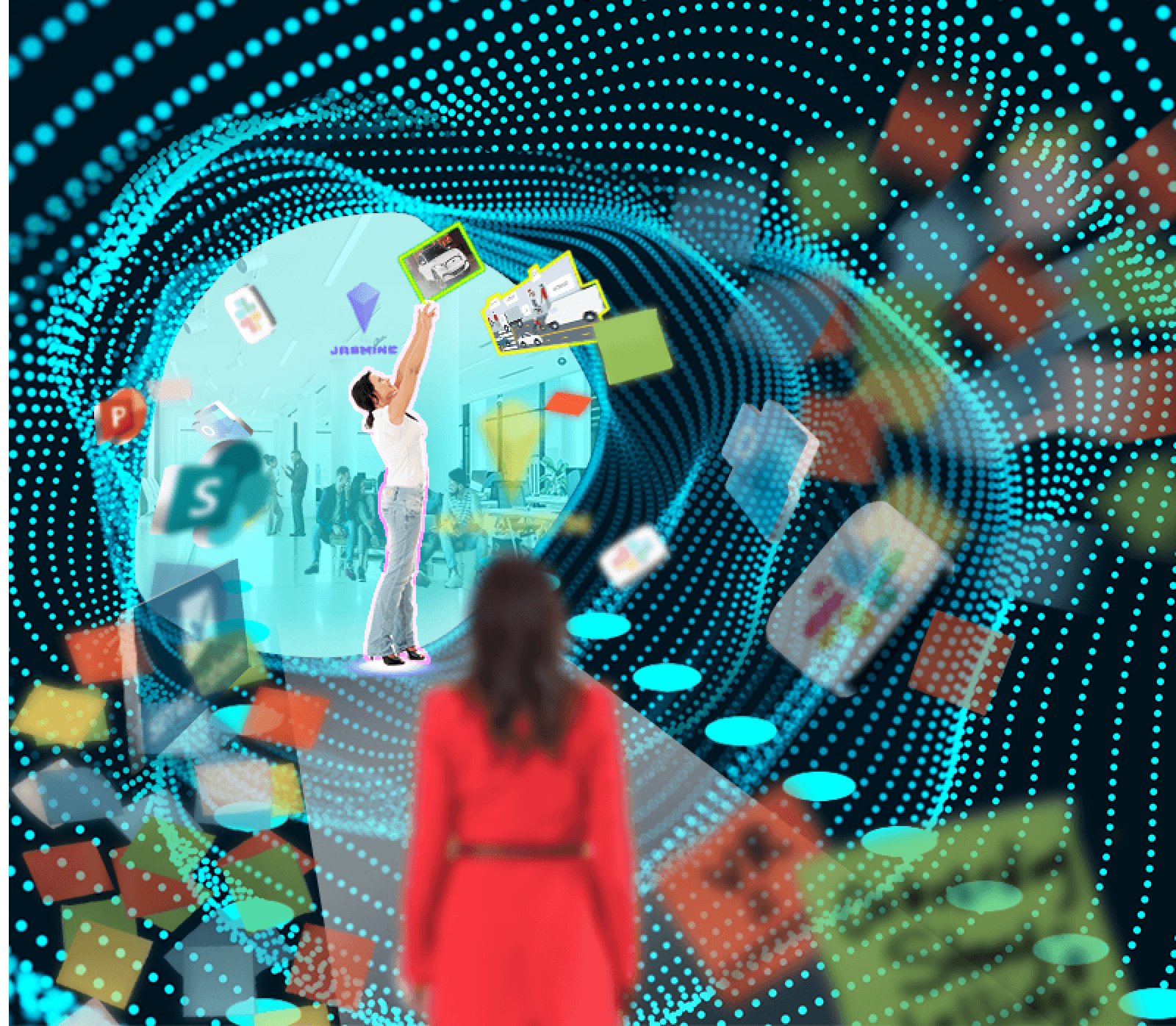
collaboration in Spatial Interfaces

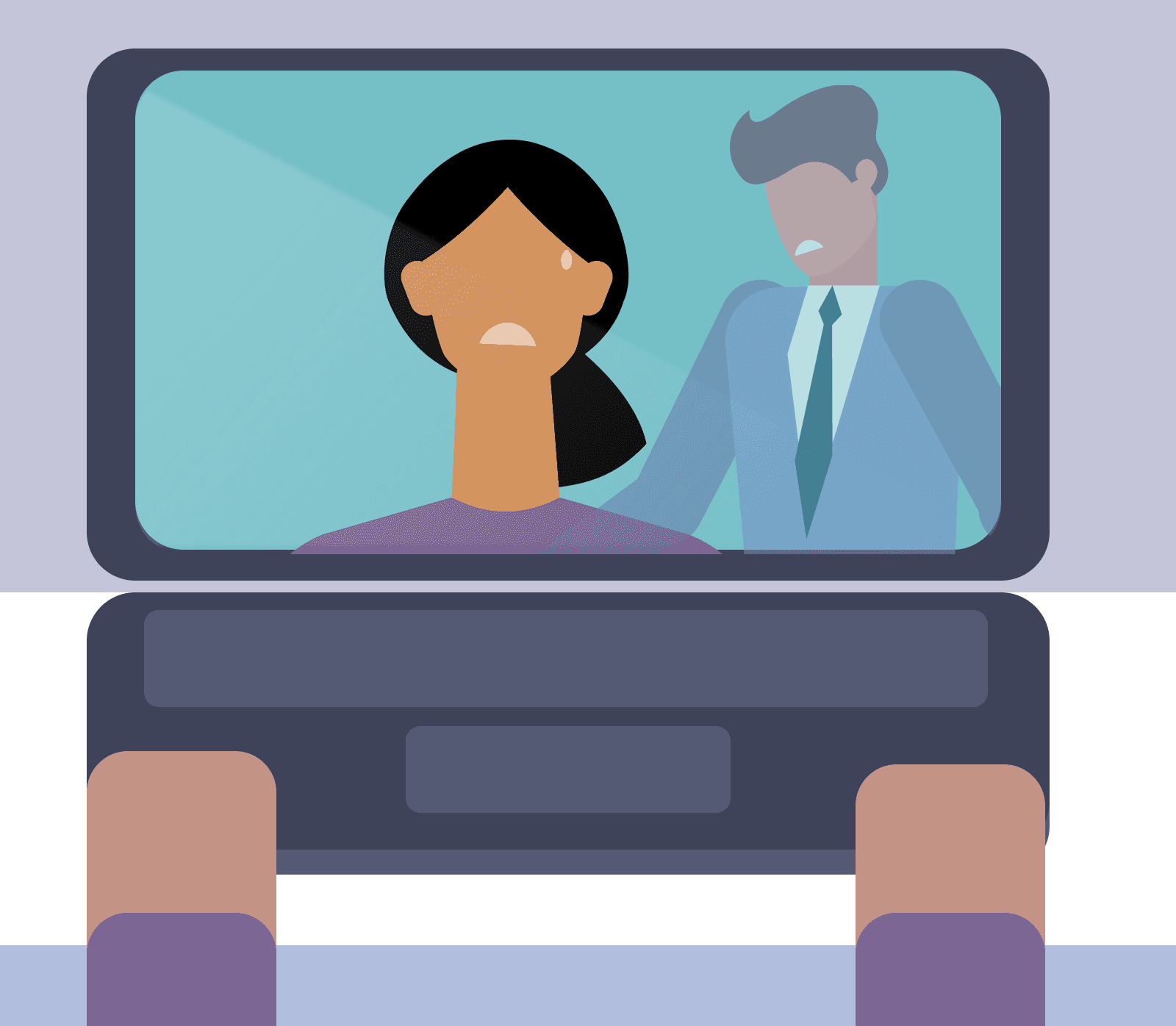
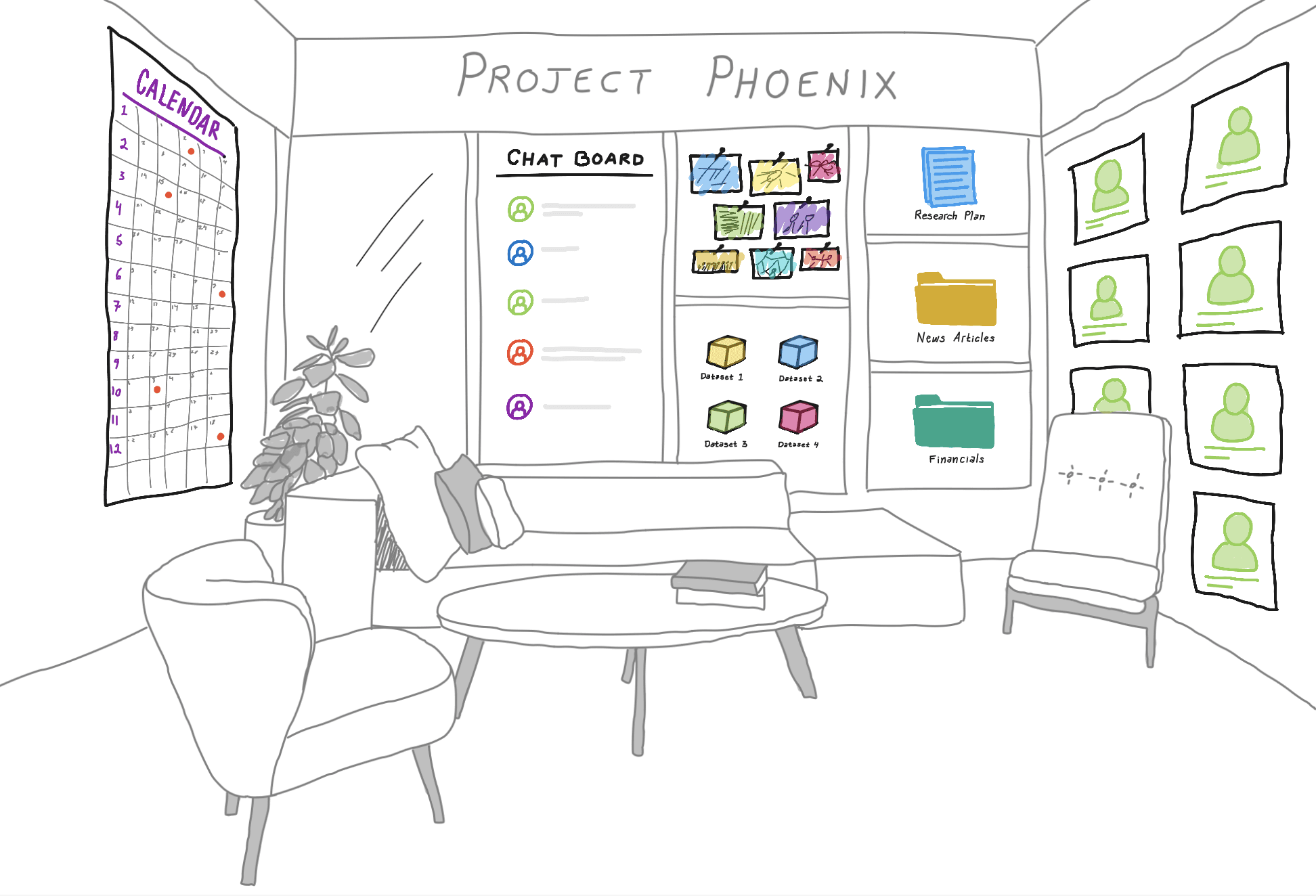
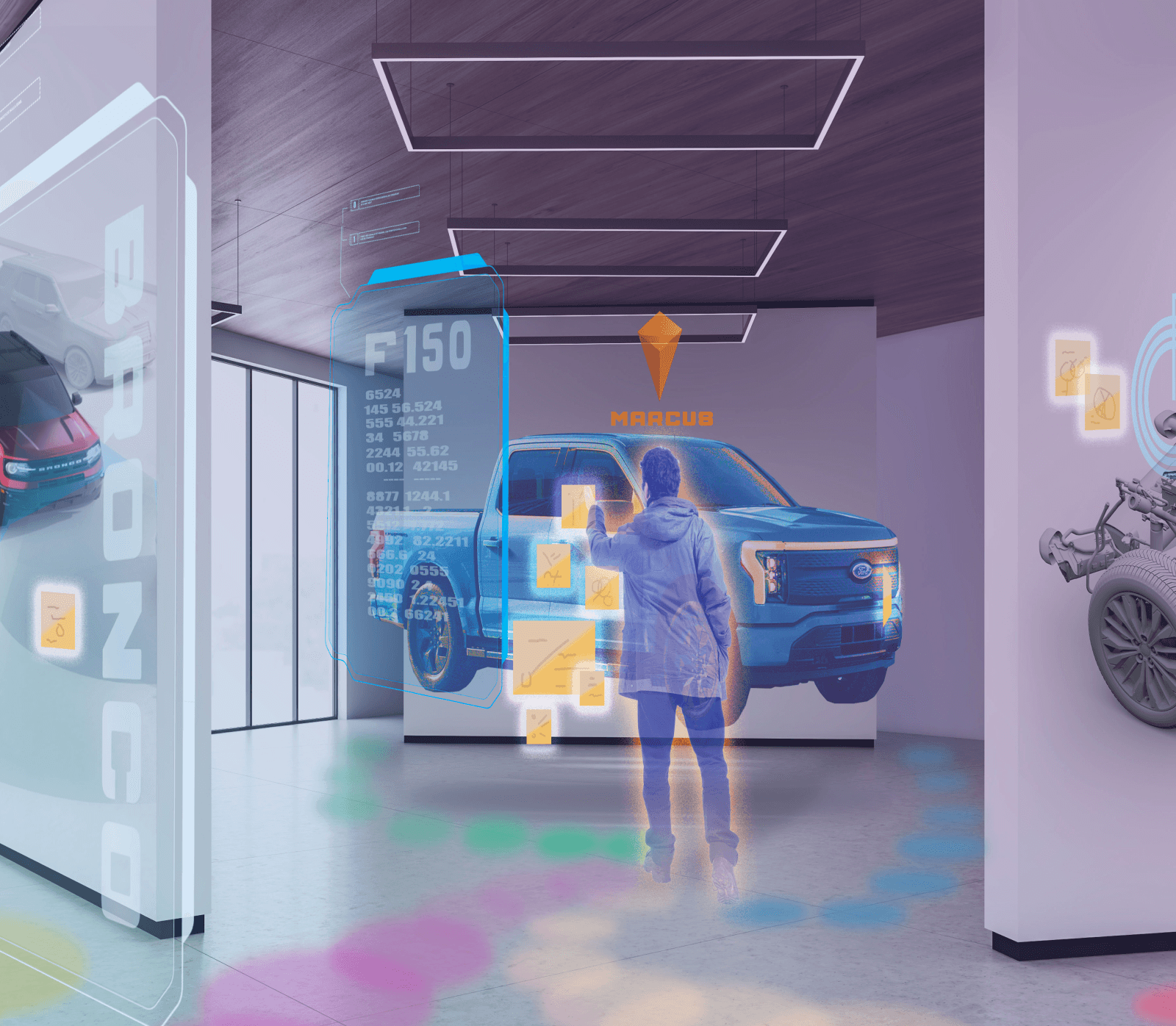
Use XR/VR to combine human spatial awareness, object permanence, and muscle memory, with the benefits of digital computing like copy & paste, CTRL+Z, search, text/image recognition, and AI assistance.

Transportation, wayfinding, and (intentional) friction should be foundational features in a VR ecosystem.

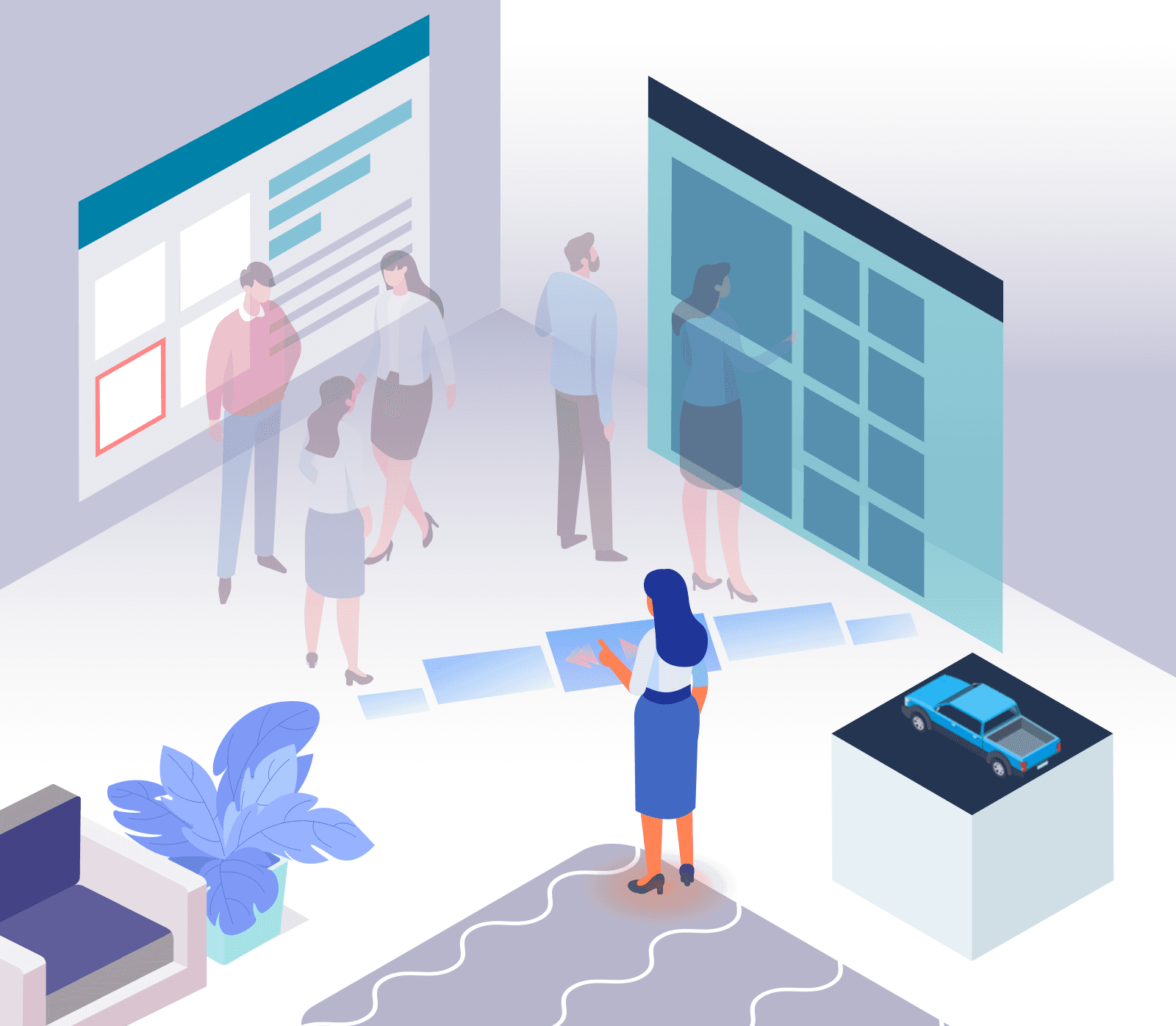
VR teleportation is efficient, but efficiency isn't always the right goal. Deliberate travel —moving through space with a sense of direction and distance— can be used as a way to reinforce spatial memory and make the environment feel genuinely inhabited rather than just navigated. And using artifacts left by people or embedded within places can build a network of reference points that make wayfinding feel natural and intuitive instead of abrupt or disparate.

virtual reality operating systems

Use XR/VR to facilitate interpersonal interactions between people online and IRL for team bonding, and leverage novel environments, tools, and materials for icebreakers and ideation sessions.
Other projects

© 2026 Bibiana Bauer

© 2026 Bibiana Bauer

© 2026 Bibiana Bauer