People love shared e-bikes and scooters because they're quick and easy.
No ownership, no storage, no planning — just get on and go. And that means that the moment something comes in and breaks that flow, the experience falls apart. This project set out to solve a specific problem: integrating swappable batteries into the ecosystem without breaking the user experience for riders.

But early research revealed something we couldn't ignore: riders don't want to swap batteries.
Every solution that involved the rider being the one to swap a battery was dead on arrival. People didn't want the responsibility of doing maintenance on a vehicle they didn't own or the disruption of them being able to just hop on and hop off a ride.


This changed our entire design strategy, moving the responsibility away from riders and back to SPIN.
The answer was to take it off their plate entirely — leaving battery swapping to SPIN's trained operations teams, with secure enclosed compartments that only they could access. This ensured the best experience for riders and the best care for vehicles.

Instead of optimizing a battery system to be intuitive to riders, we designed one to be secure and efficient for teams operating at scale.
The simple fact that riders wouldn't be the ones swapping batteries significantly impacted the design choices we made for the physical design of the new e-bike itself. Instead of over-indexing on ease of access to the battery, we focused on the opposite with anti-theft features.
When friction disappears, the designed parts start to become invisible — and that's when the experience works.


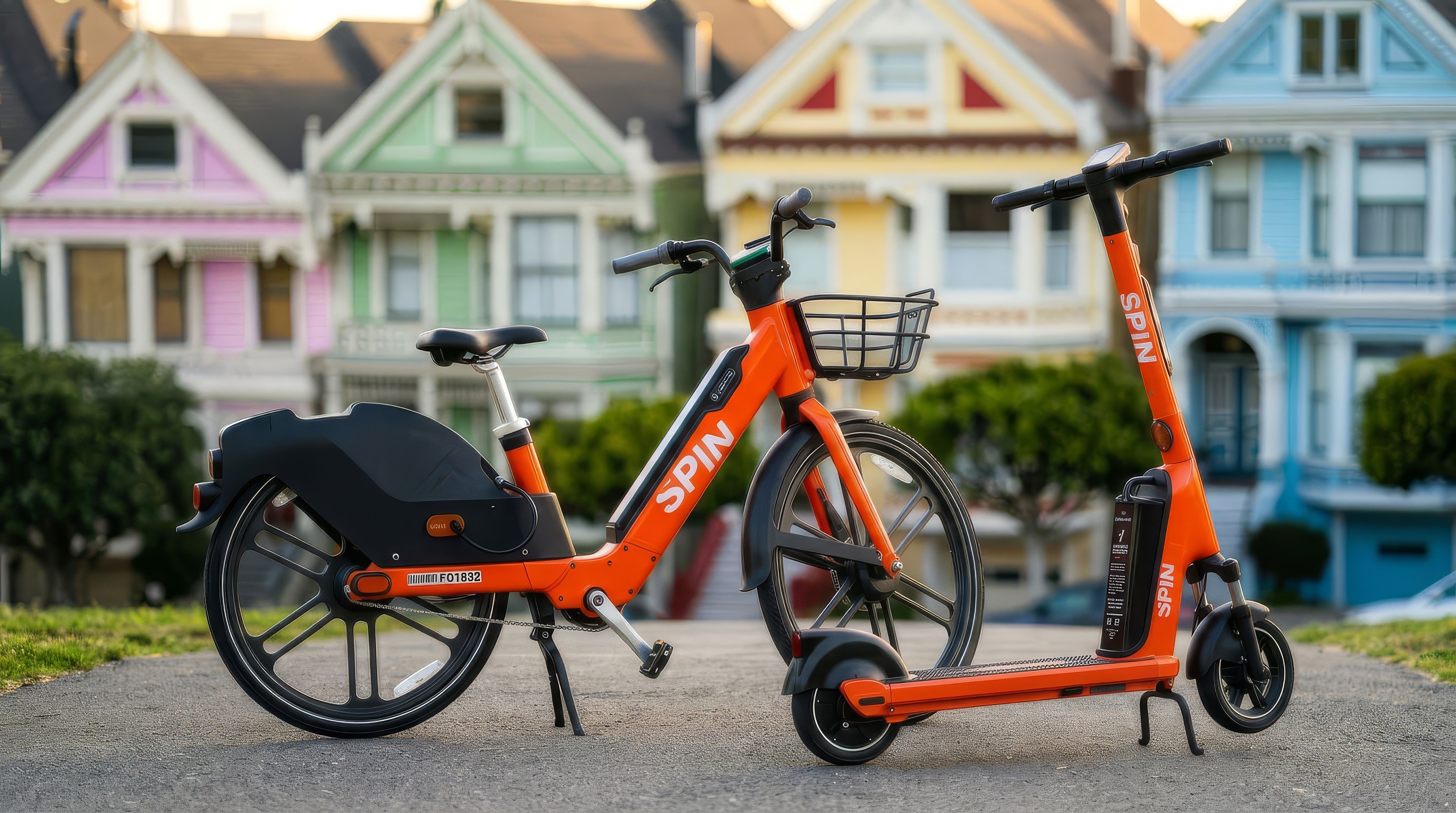
SPIN S-3000 e-bike
(released in 2023)
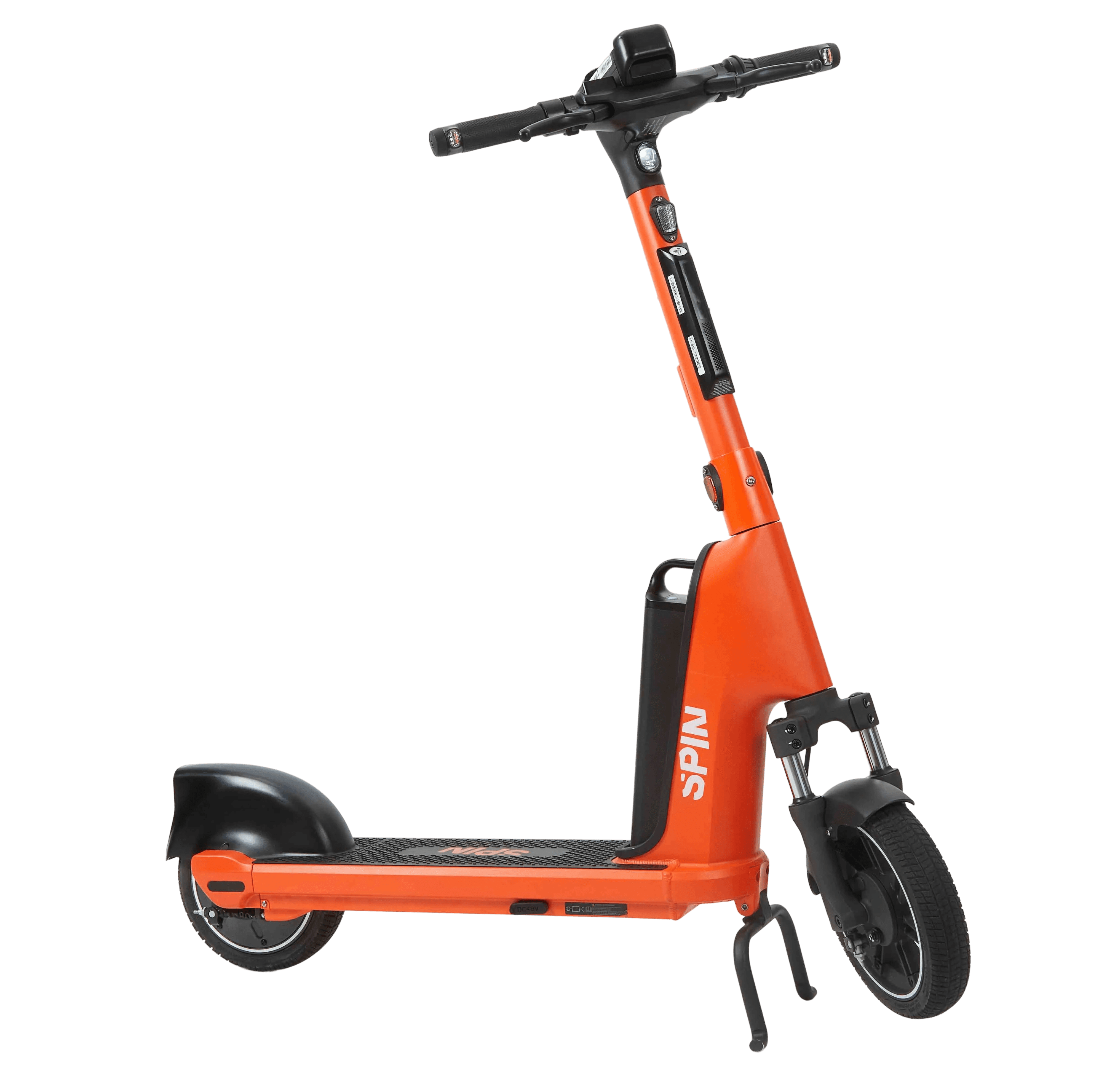
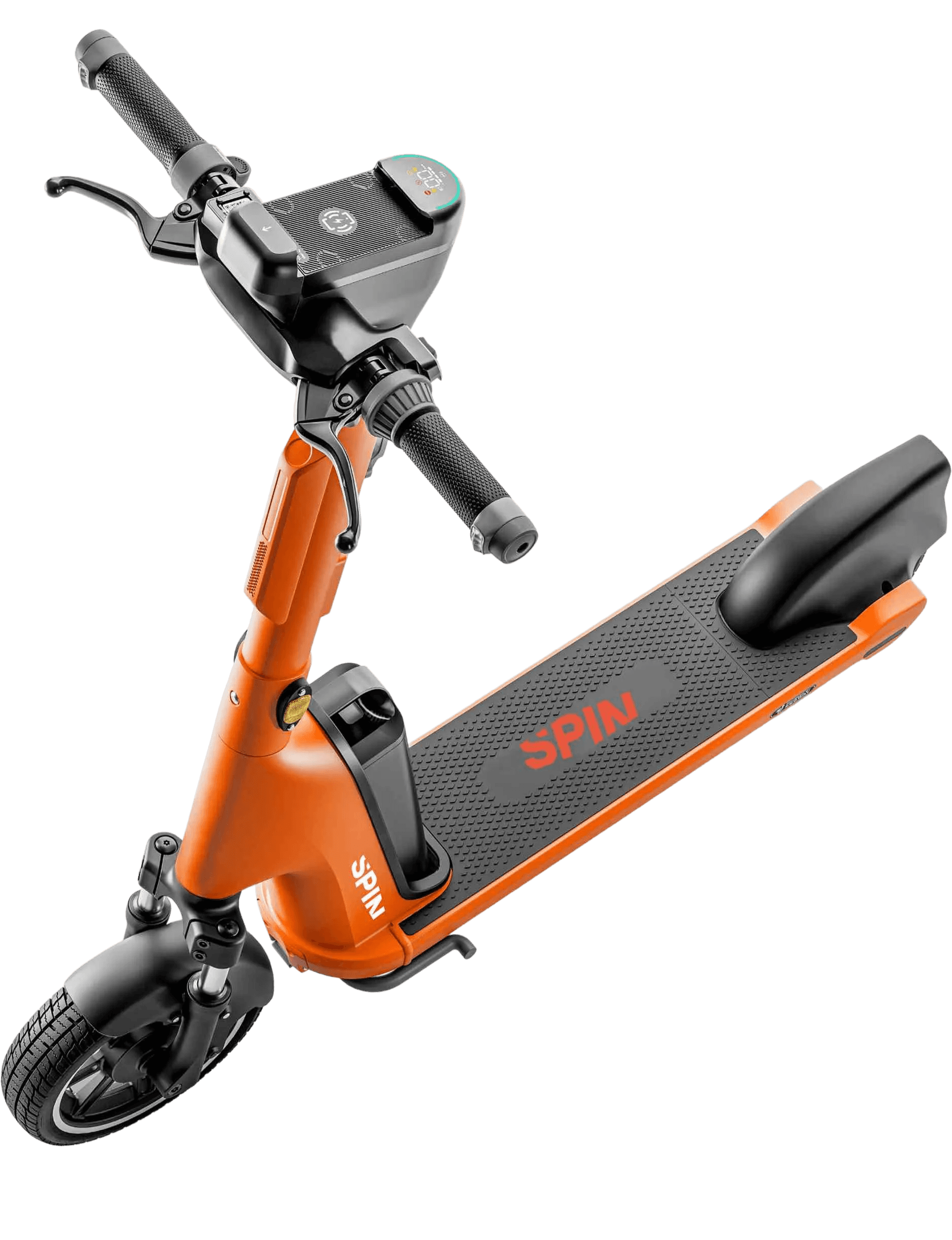
SPIN 6 e-scooter
(released in 2023)


Bridging the digital and physical.
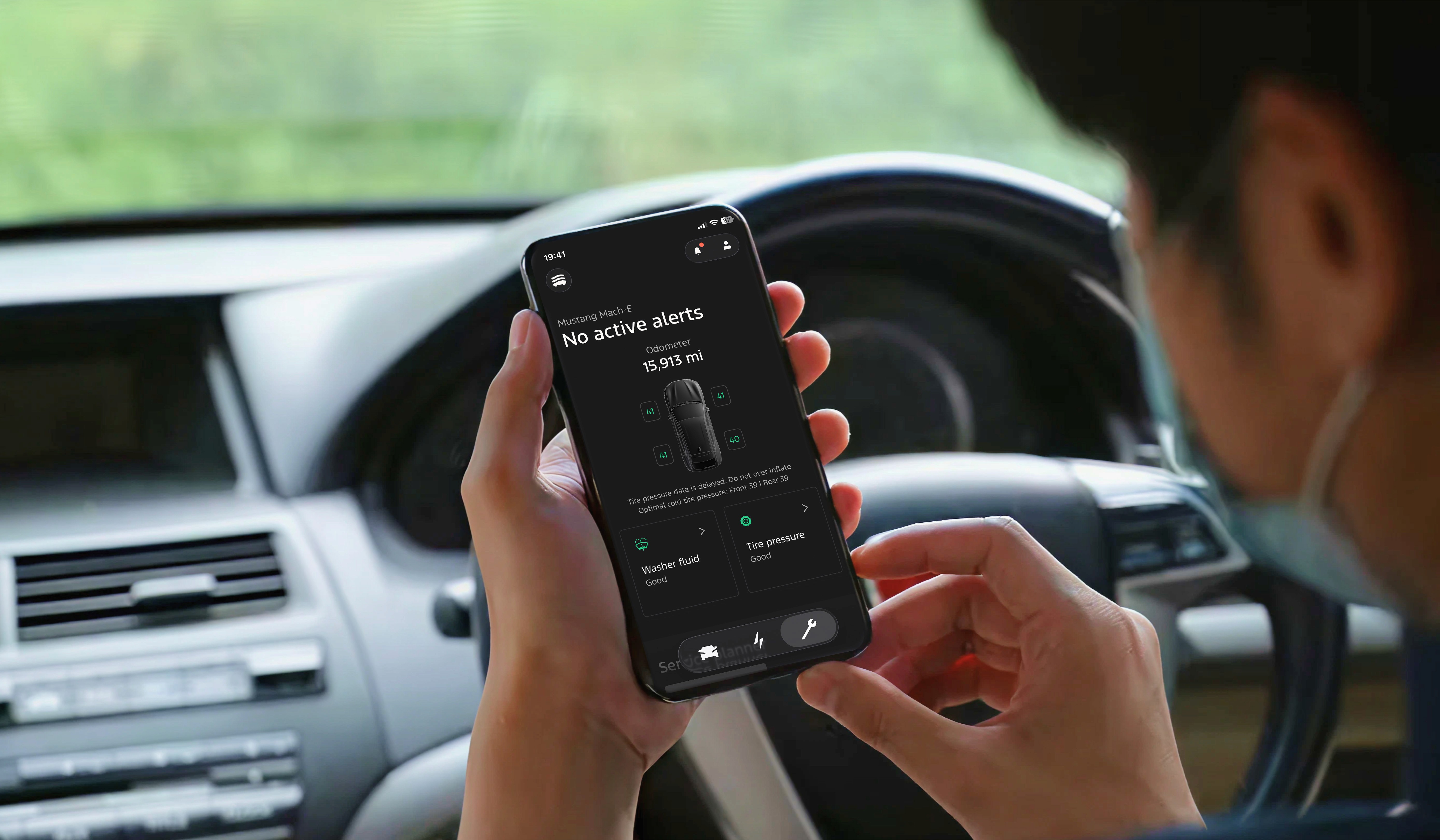
As the sole Interaction Designer on the project, I was also thinking beyond the physical vehicles themselves to the connected experience. If a vehicle had full battery, could that be mirror between the digital app and physical bike using colors and lights? If it was running low, could the light signal that to a rider before they even pulled up the app?


Make it easier to find vehicles with charged batteries
Increase rider confidence by allowing them to search for only bikes and scooters with battery levels that match their needs.

Help riders locate drop-off zones when their battery is low
Make it easy for riders with a scooter or bike that's running low on battery to bring it to a charging station for a discounted ride.